A funny observation:
When typing out the title of this essay, my autocomplete insisted on adding the word “weight” to the end. Weight might be the only socially acceptable thing to lose.
the opposite of kiasu
Anyone remember Mr Kiasu?
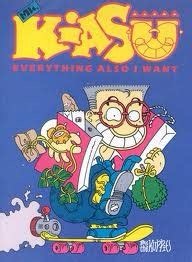
The word seems to be almost unfashionable today, perhaps because what was once a joke made to light-heartedly warn the Singaporean of the dangers of embracing kiasu has now – upon the embrace – hits too close to home.
For those who don’t know, kiasu means “scared to lose” and as the LA Times highlights, we were kiasu before FOMO was even a thing. Also related and worthy of a separate post is kiasi, ie. scared to die. No two words explain SG better – just gotta add “pragmatic” and “work” into the mix.
In the process of embracing kiasu however (and we see it in the outsider’s gaze through the article above), specific and mundane actions like choping hawker tables or queueing become the definition of kiasu. It becomes easier to absolve ourselves of this flaw when we specify particular behaviour as kiasu – either by saying haha yeah it’s just normal things or haha it’s dumb, I don’t do it tho.
But you do, and I do. And it may be uncomfortable to admit, or difficult to see, but see it we must.
seeing kiasu
More examples are needed then beyond the stereotypical, easily dismissed ones to make real what exists in our hearts and minds: the fear of losing. Here are just three.
Avoid accountability. Act blur live longer. Siam. Monitor.
Must know market rate. Later kena shortchanged how. Need to get best deal. Cannot lose out. Eh you sell for how much ah?
Steal others’ lunch before they eat yours. Our PM say one. Don’t believe? I will never tire of linking to this (archive link).
Not very we-first ah. Or actually sorry, very we-first.
what happens when you learn how to lose?
To get rid of a fear is simple, but difficult.
I was scared of cats. I wanted to overcome this, so I touched a cat while scared and then forced myself to admit that nothing bad happened. And then again.
To get rid of the fear of losing, there is only one way. We must lose, and learn how to lose.
Sounds simple enough. But we need motivation. What would happen if we learnt how to lose?
First: we’ll get to practice being good losers. Nobody likes sore losers, but if you’re deathly afraid of losing, that’s who we’ll be 100% of the time when we do lose.
Think of the Sour Grapes story we all know. Losing – simply by not getting the outcomes we wanted – is an inescapable reality for every human, even the most powerful amongst us. But if we desperately needed to cling to a self-image of never losing, when we do lose, we’ll instinctively craft a (definitely false, probably unhinged) narrative that shifts the goalposts.
The grapes were sour anyway. It’s because he doesn’t like me. They don’t know what’s best for them.
While being a sore loser is usually seen as an annoying thing for everyone else to deal with, the thing is also that it harms the loser, who’ll never learn grace, or self-reflection, or gratitude, or resilience, or acceptance, or awareness of personal flaws – things only losers can learn.
The other thing we get from learning to lose is living in reality without fear. The less we have to rewrite narratives to protect ourselves, the clearer our vision gets. The direct result of clarity of thought and mind is clarity of action.
Since outcomes affect you less now, you can do whatever you believe in even if everyone else is scaring you (which they do because they’re scared, but you’re not).
We’ll take more shots – and we won’t score 100% of them but we’ll score more than those too scared to shoot. This is a good time for one of my favourite speeches of all time – Pep Guardiola’s recorded half-time talk to the team, featuring a legendary line:
Our options in every situation suddenly open up too. You might even now choose the loss for any of the following reasons:
- it’s aligned to your principles and values
- it’s not worth the effort to win at this
- there is a bigger win ahead
- I don’t need this win
- I want the other person to win
…and because we’re not kiasu anymore, this is no longer sour grapes rewriting self-preservation – it’s an active choice to leave the grapes, for a reason you choose. If you’re not kiasu, you’ll never actually lose.
Nothing is more empowering than choice.
One of the most powerful questions I’ve ever read is this: What would you do if you weren’t afraid?
Reworked for the kiasu Singaporean: what would you do if you weren’t scared of losing?
If we learnt how to lose, it doesn’t have to be an if anymore.
a 3-step plan for the next time we might lose
Negotiating on Carousell? Someone cutting into your lane? Deciding whether your daughter needs tuition, or if you should quit that job?
I don’t know what the next time will look like for you, but keep a lookout for that familiar kiasu dread filling your heart.
Step 1: Say hello, old friend. Breathe. Ask for some time, because I really, really would like to first figure out what I want to do, and not what you want me to do.
Step 2: Accept the loss as if it’s already happened. Remember why we’re learning to lose. Lose time, money, face…even life itself.
Any loss is bearable with a reason.
Step 3: Do it afraid.
Via James Clear’s newsletter, here’s poet Elisabeth Elliot on courage:
“Sometimes fear does not subside and one must choose to do it afraid.”
We can still laugh at Mr Kiasu – but only to remind ourselves why we must conquer this fear, just like any other fear. Life is too short to be scared of losing.
Ironic observation from my research:
if the creator of Mr Kiasu was kiasu, he would have been drawing tiles all his life, never quit his job, and give up on publishing a cartoon using dialect after getting rejected due to the stigma: https://www.ricemedia.co/act-ii-mr-kiasu-johnny-lau-interview/
another irony is that in this interview, he warns fellow artist Sonny Liew not to get too political to survive in Singapore, because…kiasu.
my takeaway? we might never truly silence the Mr Kiasu within us, much less around us. but that doesn’t mean we let him take charge.