(Originally posted on Substack as #2: This is water (Part 1) or, words, names and the beginning of wisdom.)
Hi everyone,
Warning: Before I start talking about more…specific Things, this is gonna be kinda me getting things out of the way – both to clear the space in my mind so I can do it and also as a written reference that lives here on this page.
If nothing else, it’s a summary of my thoughts on something I find myself repeating a lot. I think it’s important to talk about the water we swim in.
“What the hell is water?”
There are these two young fish swimming along and they happen to meet an older fish swimming the other way, who nods at them and says “Morning, boys. How’s the water?”
And the two young fish swim on for a bit, and then eventually one of them looks over at the other and goes, “What the hell is water?”
This speech by author DFW was the spark of a lot of reflections and decision making back in 2012 for boy-trying-to-be-a-man Zaid. I listened to it again recently, and some parts resonate, others that used to don’t anymore and some are just sad. But maybe that’s for another letter.
The point of bringing this up is that I still think it’s my favourite choice of word to describe a specific way of seeing Things – from the outside, and as a whole. Other words I feel revolve around this include:
- Ideology
- Glasses (as in, “rose-tinted glasses”)
- Containers
- Paradigm (and in Malay, “paradigma” which I always thought would be a cool cafe name)
- Frames (also, framing)
- Worldview, or the favourite German alternative it feels every academic is obliged to mention and define right after for some reason: Weltanschauung
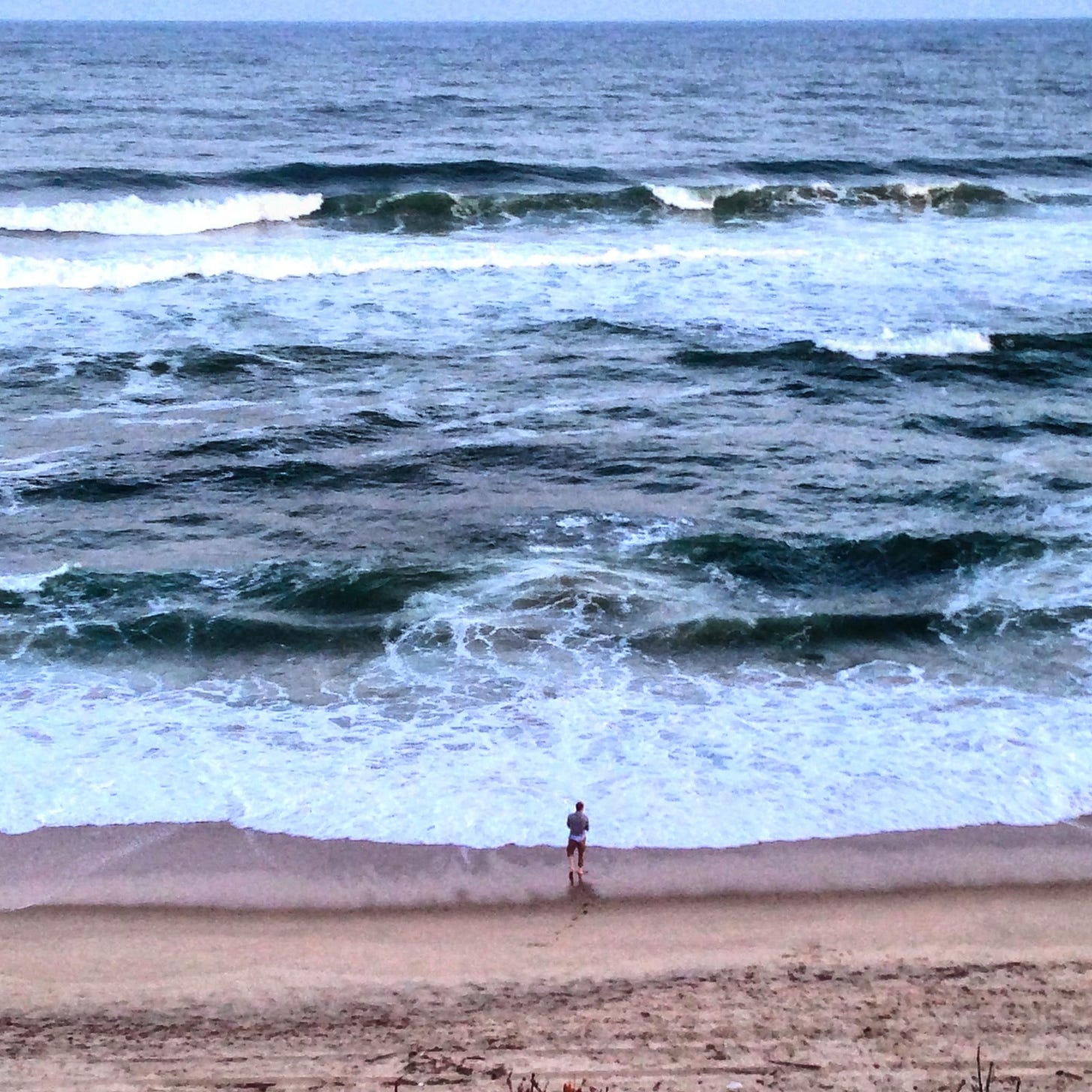
I’m gonna use water a lot here in these letters. I love it cos it’s so visual, so unescapable – we all swim in water and we all forget it sometimes.
But there’s ways I have been taught/trained (by teachers and by life) to help us see the water. I’m gonna spend this and the next two letters writing about some of my go-to ways of doing so.
Let’s jump in 🌊
1. Names, Words & Meaning
Obviously, I’m biased. I love words – I’m a writer. I love languages. I remember sometimes reading the dictionary for fun as a kid (define: fun).
But here’s my take: When we stop being conscious of words, we also stop being precise and accurate with the ones we choose.
This, I’m sure everyone knows, leads to endless personal and/or professional conflicts The classic oops, miscomm 🤷🏼♂️ Also…annoying people being careless about the way your very simple name is spelled.
But I also want to suggest that there’s bigger – and sometimes, sneakily less clear – very, very watery reasons to care about names.
The entire marketing industry is built on choosing names for things that serve specific objectives (ie. buy my stuff) – and so is politics and media. George Orwell’s classic essayin 1946 called out Pretentious Diction and Meaningless Words when people talked about politics then. And, 70 years later, Jon Stewart’s amazing farewell speech about the 3 different kinds of bullshit (my fav: the bullshit of infinite possibility) shows nothing much has changed.
And so: if we aren’t careful about words and names, others – whether by design or recklessness – have already shaped our water before we’ve even begun.
In both Qur’anic and Biblical versions of the creation story, Adam (peace be upon him) is mentioned reciting the names of God’s other creations – although the difference in how he knows the names is an interesting thing to explore. What little I know of Judaism (do correct me if I’m mistaken) includes the fact that pronouncing God’s Name is forbidden while in Islam, Allah has 99 Beautiful Names by which He asks to be known by and called upon.
Social scientists love definitions. Scientists love definitions too, sometimes with fancy symbols and numbers. AND okay truefacts, I had a million more things to link to but…this is probably enough to put my point across for now.
But maybe I really should’ve just went with this quote by a man much better than me at using minimal words to sum up everything above:
“The beginning of wisdom is to call things by their proper name.”
But you could agree with the quote above and, at the same time, ask Confucius, what is proper? Also, which comes first – meanings or names? Who decides what names mean? Can you redefine a name? (Another Pretentious academia term that amuses me: “contestations of meaning”) Does the question of who is using the name matter? (Yes, it does. The n-word being the obvious and currently timely example.) How exactly does the changing of time and place affect these things?
These questions (& more I’m sure you already have) are important to be considered, so please do consider them, whether by replying here or anywhere you like. Some are gonna overlap with the next letters on other watery stuff (a good time to plug subscribing by pressing this):
But my point here really is that none of them get asked – if, in the first place, we don’t consider the names of Things that we and others use as so, so, important.
Until next time,
Zaid
Leave a Reply