or:
the death of diplomacy (as a career option)
Could you believe that I actually looked up becoming a diplomat or ambassador of some sort?
I was younger. Fresh off National Service. Still reconciling patriotism and nationalism, love for people vs country – and the work it would take to bridge that gap.
I think people also felt like it aligned with my interests and skills in general. My friends say I can convince people to convince themselves. I was into local and global politics. And some even called me a diplo-mat.
But two things happened in university that buried this idea for good (praise the Lord!). Here are the reasons I never became a diplo-mat, how ever cool that name could’ve been.
reason 1: the reality seemed lame
The first: I attended a national day dinner at the Singapore Embassy in KL. We were invited as overseas students – it felt like we were finally seen as belonging to the same group as the Harvards, the Oxfords…the new president would be there. We wore ties and everything.
(I’d add a picture here if I can find it somewhere. We posed with Tony Tan. In the meantime, just use these words to imagine the scene – i’m not gonna kill some forest just for this)
I would say I was slightly cynical but excited despite myself? But the dinner was…incredibly, disappointingly lame.
Firstly, it didn’t seem that patriotic for a National Day dinner. I wanted to talk to other locals living here who loved their country enough to come. Maybe they did love their country, but it didn’t come up in conversation.
Secondly – and I guess 10+ years later I can recognise that these points were all, truthfully, naive idealism – I hated the conversations we did have. It was my first and worst exposure to the Networkers; a unique human species that aims to maximise their time at an event to by quickly evaluating whether you are valuable enough in the first 60 seconds while giving off the unmistakable whiff of desperation.
(I write this as older zaid with some empathy, because while I have strived not to be that sales guy ever, I get it, some people are under pressure to get results. I just don’t think it works or is good for you.)
And lastly, it was my first memory of being exposed to the concept of cocktail tables. Hated it then, hate it now. GIVE ME A CHAIR.
If being an ambassador meant hosting lame dinners like this – even if it was yearly (which I know now it isn’t), count me out.
reason 2:
The second is a specific module that stays super clear in my mind: the late, great Prof Ishtiaq Hossain (may Allah reward him) and International Organisations. PSCI 3720.
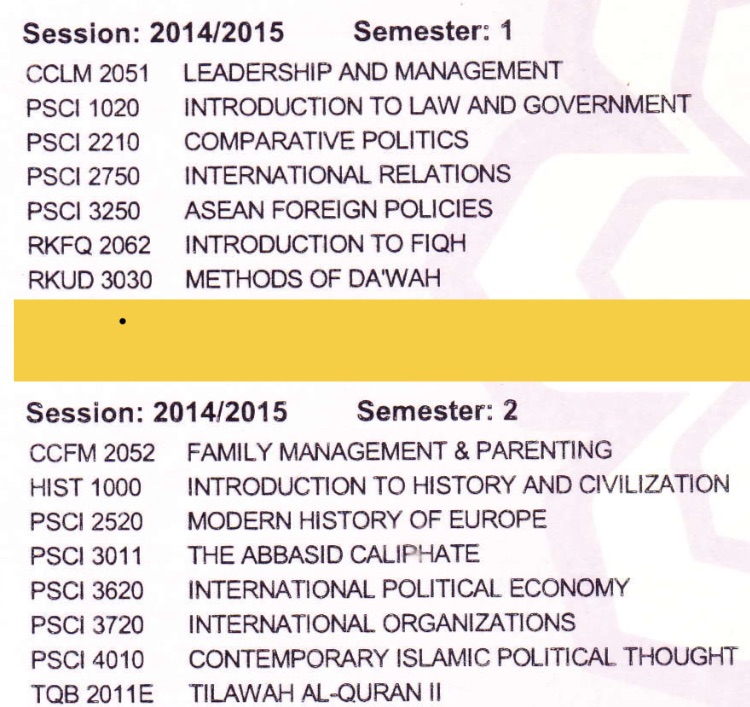
We learnt about the UN, ICJ, WTO. The international Regime. It was the first time I heard of the OIC (& hardly ever again after).
The two key realisations for me were:
- Diplomats are, at their core, intermediaries between a country’s foreign policy and these systems
- The game sucks, the rules are broken, the players rotten – and playing just keeps the whole thing going while people suffer
Any illusions I had about doing good and creating real change through diplomacy shattered in that one semester. (I’d have the same experience about public service in 2 years’ time).
Somebody famous said that in international relations, there are no friends, only interests. This is what IR scholars call the realist view, which I think is just fake PR by using the word real.
The actual, undeniable reality is that thinking and acting according to this belief creates a world that is based on this belief. Where might makes right and ends justify means. Where laws, institutions and civilian populations are ultimately tools of states, to be utilised solely in their interests. (This is the normative school, for the nerds).
I do believe that there can be Good Players in a Bad Game. But if you’re trying to be that good player? In the long run, your options are just two: either change the game or it will change you.
Whether you can “do more good from the inside” is an entire post for another day – but sitting in Prof Ishtiaq’s class every week legit brought me despair and hatred. In fact, the very same that millions – maybe even you – have been feeling over the past two years of live-streamed genocide.
In the face of governments’ inaction, silencing of the people and outright support of a terrorist state, your illusions have been shattered too.
As they should. Because then and only then will you ask, as I was forced to…what now?
postscript
In all 100% honesty, I really did not set out writing this essay with the intention of linking it to the continued Palestinian, Myanmar, Sudan and struggles of all oppressed people. Sometimes writing takes a path of its own.
I just wanted to tell a story. Guess it actually was a 10-year story.
And diplomats or others adjacent to diplomacy reading this, tell me I’m wrong. Share your experiences in the comments. I do want hope that the institutions and systems we rely on can be flawed but are inherently good (that’s the third IR school: liberalism). That there’s a way we can help you from outside too.
If nothing else, it’ll make your job much be more interesting than yet another lame cocktail table networking dinner.